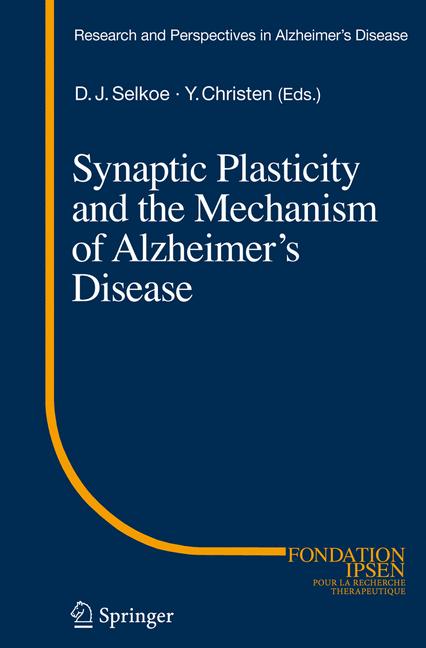
During most of the 20th century, neurodegenerative diseases remained among the most enigmatic disorders of medicine. The scientific study of these conditions was descriptive in nature, detailing the clinical and neuropathological phenotypes associated with various diseases, but etiologies and pathogenic mechanisms remained obscure. Beginning in the 1970s, advances in two principal areas â biochemical pathology and molecular genetics â combined to yield powerful clues to the molecular underpinnings of several previously "idiopathic" brain disorders. Among the classical neurodegenerative diseases, perhaps the most rapid progress occurred in research on Alzheimerâs disease (AD). In disorders like Huntingtonâs disease, amyotrophic lateral sclerosis and even Parkinsonâs disease, unbiased genetic screens, linkage analysis and positional cloning have identified causative genes that subsequently allowed the formulation of specific biochemical hypotheses. In sharp contrast, modern research on AD developed in the opposite order: the identification of the protein subunits of the classical brain lesions guided geneticists to disease-inducing genes, for example, APP, apolipoprotein E and tau. Thus, a biochemical hypothesis of disease - that AD is a progressive cerebral amyloidosis caused by the aggregation of the amyloid b-protein (Ab) - preceded and enabled the discovery of etiologies.
Storico prezzi
Ricevi una notifica se il prezzo scende
Ti invieremo un'email quando il prezzo di questo prodotto diminuirà.
Aggiornamenti dei prezzi in tempo reale
Oltre 50 negozi monitorati
Avvisi gratuiti di calo prezzo
Solo negozi verificati
Avvisami quando il prezzo scende sotto: 169,99$
Prodotti simili
Una selezione di prodotti che potrebbero interessarti. Guarda tutti